

The PlayBoy Bunny Shirt
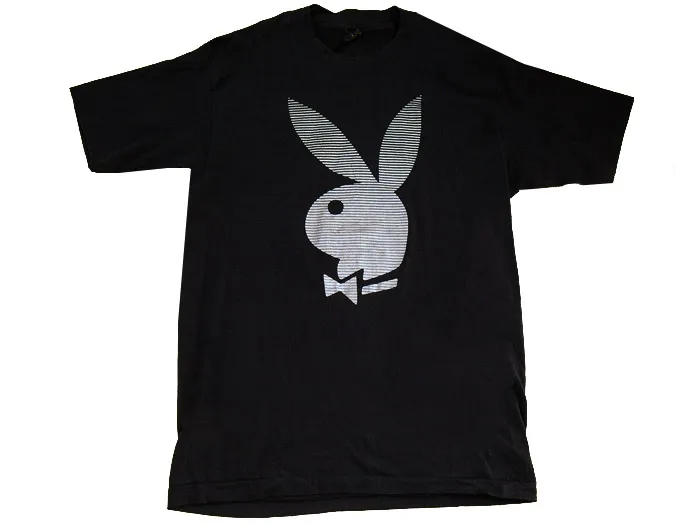
In the world of fashion, few items are as universally cherished and versatile as the t-shirt. Whether used as a canvas for art, a billboard for brands, or a statement piece, the humble t-shirt has a unique way of embedding itself into the cultural zeitgeist. Today, we delve into the fascinating story of one of the most iconic custom t-shirts of all time: the Playboy Bunny shirt.
#### The Creation of an Icon
The Playboy Bunny logo, with its whimsical yet suggestive charm, was created by Art Paul for the second issue of Playboy magazine. As the magazine’s first art director, Paul crafted a logo that would become synonymous with the Playboy brand. His vision was clear: the logo had to be humorous, sexy, and fun-loving. The result was the now-famous bunny with a bow tie, a design that has remained unchanged since its inception.
#### A Cultural Phenomenon
The Playboy Bunny shirt quickly became a cultural phenomenon. It wasn’t just a piece of clothing; it was a statement. The shirt represented a lifestyle, an attitude, and a rebellion against conventional norms. For many, wearing the Playboy Bunny shirt was a way to embrace and display a sense of freedom and playfulness. It became a symbol of the swinging sixties, embodying the era’s spirit of liberation and hedonism.
#### A Symbol of Status and Danger
However, the Playboy Bunny shirt’s journey didn’t end with its adoption by mainstream culture. In Chicago, a twist in its tale added another layer of complexity. The Vice Lords, one of the city’s most prominent gangs, adopted the Playboy Bunny logo as their own. In the neighborhoods controlled by the Vice Lords, the shirt became a symbol of allegiance and power.
This adoption of the logo by the gang had serious implications. In some areas, wearing the Playboy Bunny shirt could earn you respect and protection. In others, it could lead to violence, as rival gangs and law enforcement viewed the symbol with suspicion and hostility. The shirt, once a fun and sexy emblem, became a potential trigger for conflict.
#### Personal Testimonies
For many, the Playboy Bunny shirt is more than just a piece of clothing—it’s a memory, a story, a testimony of their life’s journey. Here are a few personal accounts of how this iconic t-shirt has impacted lives:
**Maria’s Story**
Maria grew up in a Chicago neighborhood controlled by the Vice Lords. “The Playboy Bunny shirt was everywhere,” she recalls. “For us, it was more than fashion; it was part of our identity. Wearing that shirt meant you belonged to something bigger, but it also meant you had to be careful. My cousin got jumped just because he wore it in the wrong neighborhood.”
**David’s Tale**
David, on the other hand, experienced the shirt’s mainstream appeal. “In college, the Playboy Bunny shirt was all about fun and freedom. We wore it to parties and events, not really thinking about its other connotations. It was only later that I learned about its significance in places like Chicago. It made me see how something as simple as a t-shirt can mean so many different things to different people.”
**Jasmine’s Reflection**
For Jasmine, the shirt was a rebellious statement. “My parents were strict, and wearing the Playboy Bunny shirt was my way of pushing back. It was a small act of defiance, but it felt empowering. Looking back, I realize it was more than just the logo—it was about claiming my own identity.”
#### The Duality of Symbols
The Playboy Bunny shirt exemplifies the duality of symbols in our society. What starts as a lighthearted, fun-loving logo can evolve into something with deep, and sometimes dark, significance. It reminds us that fashion is not just about aesthetics—it’s a reflection of our culture, our values, and our histories.
#### Conclusion
The story of the Playboy Bunny shirt is a testament to the power of symbols and the role they play in our lives. From its origins as a cheeky logo designed by Art Paul to its adoption by a notorious gang, this t-shirt has seen it all. It has brought joy, rebellion, and, at times, danger to those who wore it. As we continue to express ourselves through fashion, we should remember the stories behind the clothes we wear and the impact they can have on our lives and society.
So next time you pull on a t-shirt, think about its journey and the testimonies it carries. You might find that it’s more than just a piece of fabric—it’s a piece of history.